

Know Japan
Home
> Know Japan
Few Quick Facts On
Japanese Language
- In Japanese, Japan is called Nihon and Go means language – Nihongo means Japanese language
- Nihongo or Japanese is spoken by 130 million people around the word and is the 9th most commonly spoken language on the planet.
- There is a general notion that Japanese is one of the toughest languages. However, the following characteristics make it interesting- no gender in Japanese, no difference between singular and plural, no verb conjugation, no articles and it is not hard to pronounce.
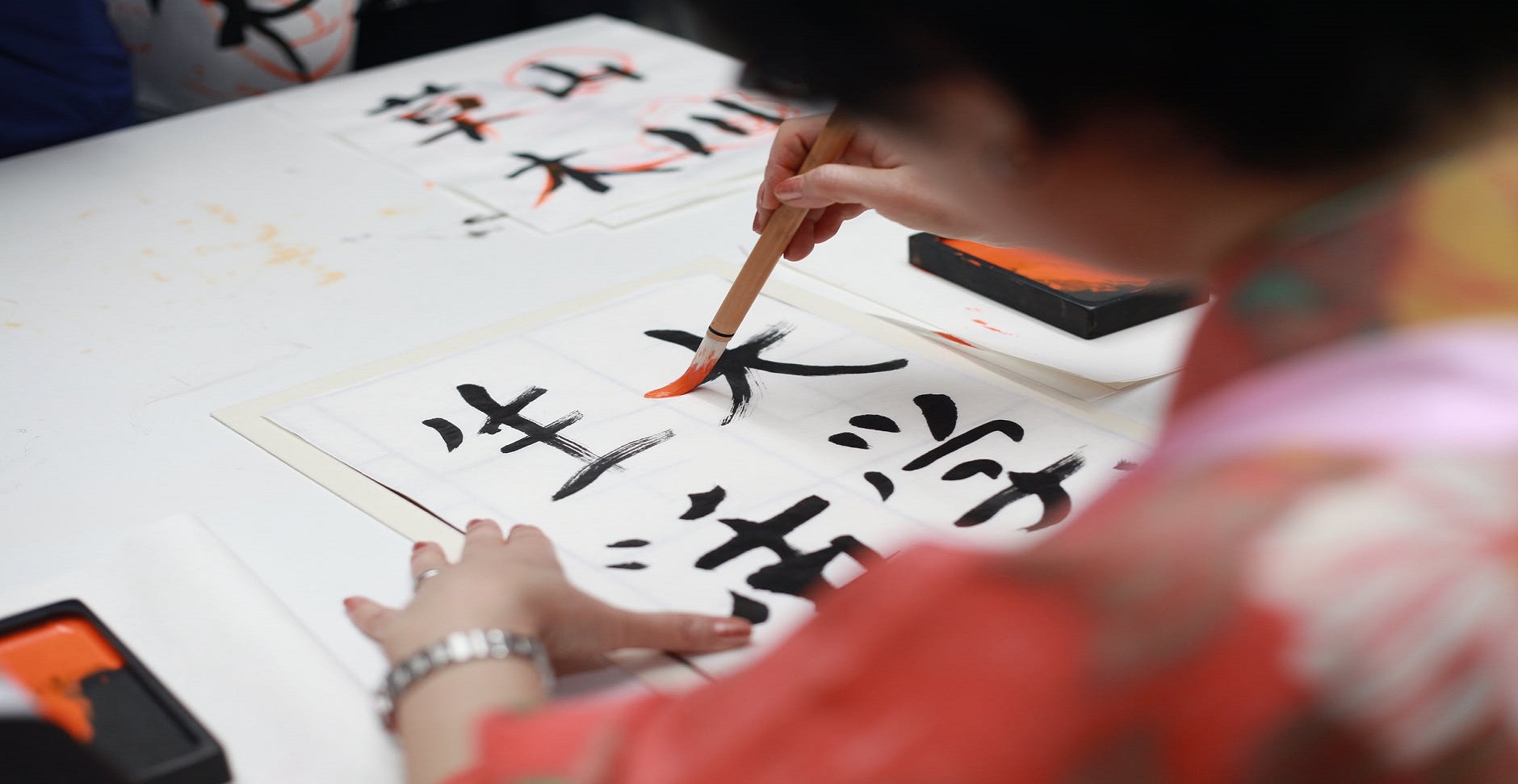
- The Japaneselanguage uses three different systems of writing. There are two syllabaries—hiragana and katakana, they are phonetic alphabets. There are also kanji, which is a writing system based on Chinese characters.
- The Japanese people are known for their politeness and it reflects in their language as well. Special grammatical forms and vocabulary are used to show respect. For example, the magnificent Mount Fuji is called as Fuji San.
- Countries like the USA and UK take great interest in Japanese Language & Culture. Some of the Japanese words are recognized by English too. These words include karaoke, tofu, anime, origami, etc
| Japanese Words |
English meaning |
| HAJIMEMASHITE |
How Do You Do |
| ARIGATÔ GOZAIMASU |
Thank you very much
|
| Ohayou Gozaimasu |
Good Morning
|
| Jaa Mata |
See You
|
| KONNICHIWA |
Hello |
| Otoko |
Male |
| Onna |
Female |
| Sensei |
Teacher |
| Enjinia |
Engineer |
| Haha |
Mother |
| Chichi |
Father |
| No. in English |
0 |
1 |
2 |
3 |
4 |
5 |
6 |
7 |
8 |
9 |
10 |
| No. in Japanese |
Rei |
Ichi |
Ni |
San |
Yon/Shi |
Go |
Roku |
Nana/Shichi |
Hachi |
Kyu/Ku |
Ju |
Know Some Quirky Facts About
Japanese Culture & Lifestyle
- The blue fish tuna is the most expensive fish on earth and is used in exotic sushi dishes. It costs $ 375,000 and nearly 80% of all bluefin tuna caught worldwide is used for ‘sushi’ and ‘sashimi’ by Japanese.
- The national sport of Japan is Sumo, a form of competitive full-contact wrestling. Dating back to 8th century, Sumo began as a prayer for a fruitful rice harvest, later evolved into a public sport.
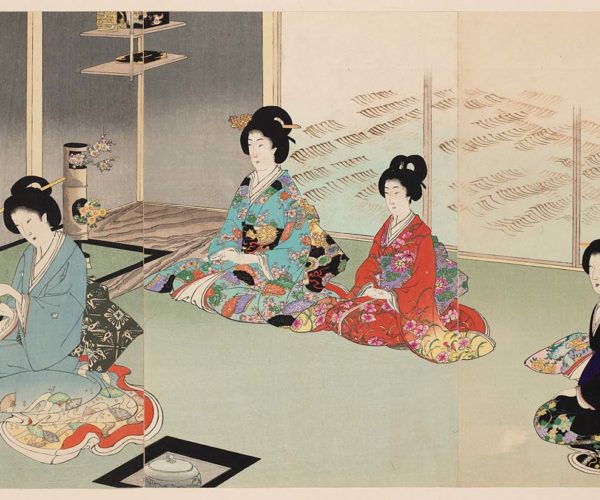
- Tea ceremonies are a common part of Japanese culture. This formal yet stylised custom is a proud tradition followed by all Japanese
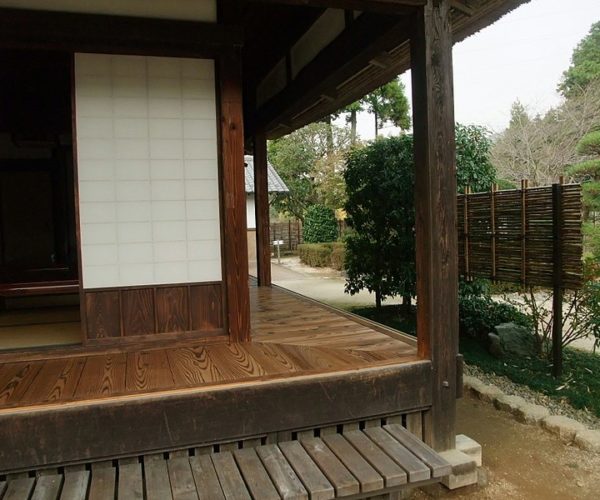
- When you enter a home in Japan and the floor is raised about six inches, then it is an indication for you to take off your shoes and put on slippers.
- In Japan, if you slurp your soup or noodles it is seen as a compliment to the chef. So, slurp away if you find yourself enjoying soup in Japan.
- Gift giving is a Japanese tradition. When meeting with business associates or arriving at someone’s home it is important to show respect by presenting a gift.
- Japanese people are very particular about the table manners. Beware of leaving your chopsticks straight and upright in your rice bowl. It is considered an omen and done only for dead people.
- The blue fish tuna is the most expensive fish on earth and is used in exotic sushi dishes. It costs $ 375,000 and nearly 80% of all bluefin tuna caught worldwide is used for ‘sushi’ and ‘sashimi’ by Japanese.
- The national sport of Japan is Sumo, a form of competitive full-contact wrestling. Dating back to 8th century, Sumo began as a prayer for a fruitful rice harvest, later evolved into a public sport.
- Tea ceremonies are a common part of Japanese culture. This formal yet stylised custom is a proud tradition followed by all Japanese
- When you enter a home in Japan and the floor is raised about six inches, then it is an indication for you to take off your shoes and put on slippers.
- In Japan, if you slurp your soup or noodles it is seen as a compliment to the chef. So, slurp away if you find yourself enjoying soup in Japan.
- Gift giving is a Japanese tradition. When meeting with business associates or arriving at someone’s home it is important to show respect by presenting a gift.
- Japanese people are very particular about the table manners. Beware of leaving your chopsticks straight and upright in your rice bowl. It is considered an omen and done only for dead people.